
Commission a Living Artist

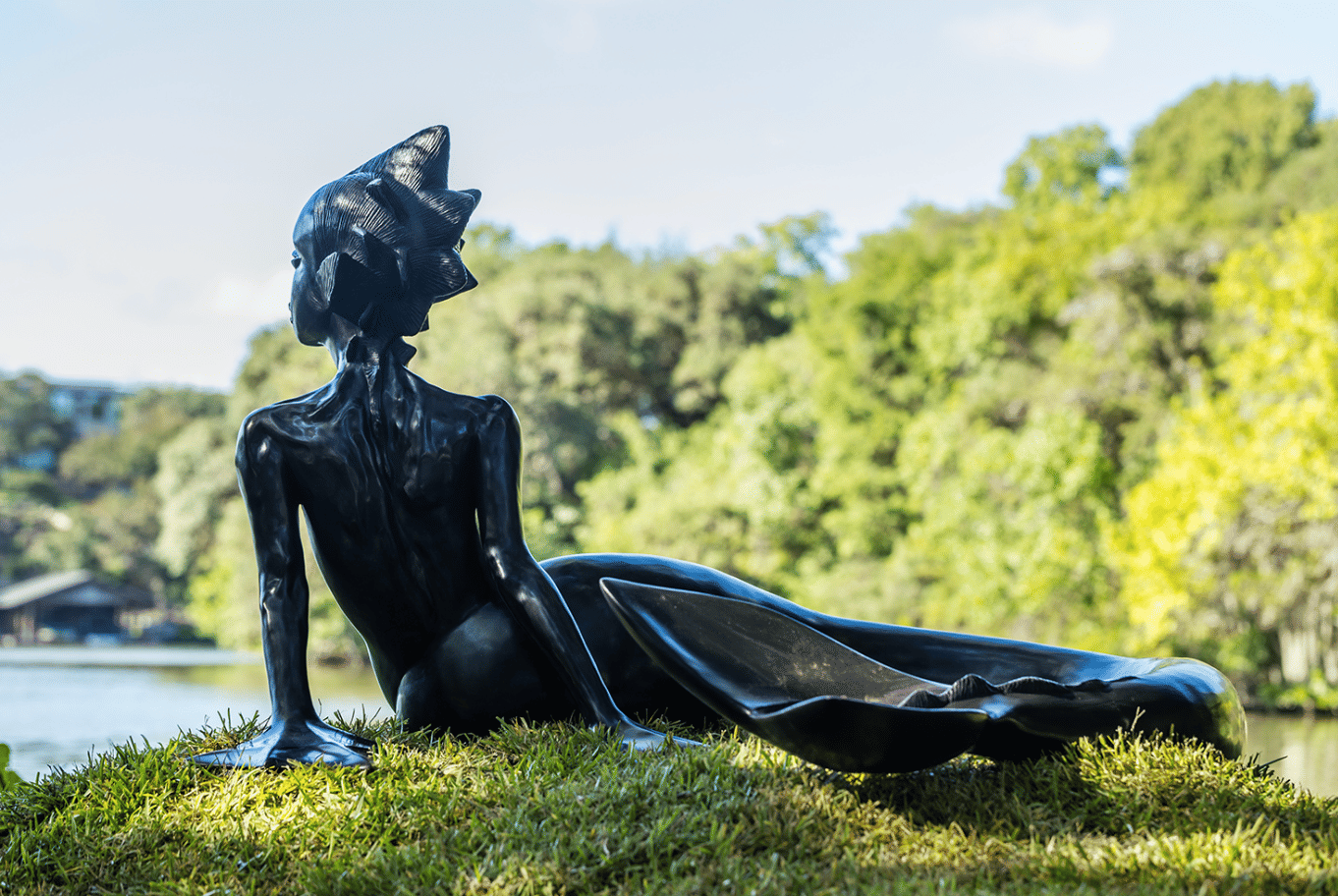
In response to @Emily Teague 's thoughtful question about how to approach commissioning an artist:
My perspective is that commissioning artists can work like a short-term collaboration or business partnership, where the collector offers up the parameters (budget, scale, location, practical considerations, maybe even preferred materials already in the artist's oeuvre) and then gives the artist a lot of space without a ton of control. Relinquishing control can be difficult, but it will often reduce tension and frustration within the dynamic. Ideally, you will both have shared interests in relation to the work + project, and you both want those to shine through the collaboration.
First, you should have a conversation and then draw up a basic contract (linked here). You can totally hire a lawyer to do this, or you can find a free template online. I'm not a lawyer (lol if that isn't obv) so make an informed decision about the paperwork, but have something in writing that can be revised as needed.
Once an artist is equipped with parameters (see above), they could pitch something or a few things, and then you decide which direction to move in. Or you give them parameters, then carte blanche to make the work with concrete deliverables listed in the contract. The second option is usually what most artists prefer, but I get how a proposal process may work better for a collector. I think that artists should get paid for the proposal process, whether or not they are commissioned to do the work; this is also standard practice in larger-scale commissions like percent for art or public art projects. If you go through a pitching phase and are not happy with what is proposed, there should be a contingency that allows the artist to get a stipend for the proposals at the very least. There should also be a limit on the number of proposals the artist is expected to complete before moving forward with the commissioned work.
Payment should be decided upfront. I'm a big fan of transparent, itemized budgets (breaking down material costs, artists' fees, shipping, fab, etc.). The artist is responsible for assembling the itemized budget based on the budget provided by the collector initially. If the budget the collector provided is not feasible with the scope and given materials, that is a conversation. I would suggest a deposit for 1/2 the total commission (including artist fees and materials) and the final 1/2 when the work is complete. Most artists can't fund a big project out of pocket and will need 1/2 upfront to buy materials, necessities, etc.
I'd also suggest establishing a timeline so that you're both on the same page about the outcome. Some materials take a longer time to work with (cast glass for example), and others are pretty direct (mural painting), so it's helpful to know what the timeline will look like going into it.
In the contract, there should be a line about revisions: are they permitted? By whom? How many? What kind? I suggest zero revisions to the final work, but some people are more flexible than me lol.
If the artist is not installing the work themselves, that should be discussed upfront, and installation instructions should be included, as well as plans for handlers or installation support if needed. This should also be a line in the contract.
If the work will require any maintenance (like outdoor sculpture for example) this should be discussed upfront as well. Who is responsible for the maintenance? If the artist is asked to maintain or touch up the work, they should be paid for this as an independent contractor, and it should be separate from the commission itself. Artists are not responsible for the maintenance of their work after it has been handed off to the collector and/or installed; it is a separate project/fee/conversation later.
That should mostly cover it, in general! If you have more questions or more specific questions, you can totally email me anytime (my contact info is on my website d-rosen.com) or set up a call.
Oh and a few clear don'ts just in case its helpful (these have all happened to me): If the artist you want to work with is sitting in a dental chair and you have your hands in their mouth, do not ask them to make a bronze sculpture of your dog for your yard. If you have no connection to the artist or their work and you simply want them to make a piece that you have in your mind (say, a giant bald eagle flying off into the sunset), do not ask them to make that piece for you because it will never match what is in your head, and the artist will likely be miserable making it or just say no. You see where I'm going with this? I'm sure you wouldn't do these things, but just noting that artists should be treated with respect, and the conversation should begin with some real knowledge of their practice, which you are planning to invest in.
Here's a Wangechi Mutu sculpture simply because I love her work.
2 months ago
Comments



Follow D
By submitting, you agree to our Terms and Privacy Policy