
Buy Art from Living Artists
Buying art has been made elusive by a largely inaccessible gallery system. Here are a few ways to buy art from living artists:
The most common, expensive, yet vetted route is to go to a gallery, follow their program, and buy work from the gallery. Gallerists take a hefty split, so artists get a fraction of the sale. Typically, you can ask for a discount (it's almost performative), and they will usually give you a 20% discount because it was already built into the price. Depending on the gallery and the work, you may have to prove that your collection is worthy, but this is only for blue-chip (i.e., famous) artists. If you develop a longer term relationship with a gallery, they will often give collectors previews of shows and other insider baseball perks that are sometimes useful, sometimes just weirdly entertaining.
Go to an MFA show or a project space, talk to the artists, get to know their work, and they will likely give you a deal or set up a payment plan to make the work more affordable. Most artists want their work in the hands of people who love it and will care for it. Most of us also need money pretty desperately right now. Most of us are willing to work with people who care about our practice.
Research past shows of artists in your area or nearby and reach out to them to set up a studio visit or a coffee. Unless they have representation (which means you'd have to go through their gallery, and their work will be more expensive), you can buy work directly out of the studio. This is taboo to gallerists, but artists do it all the time, and it helps us out a lot both financially and in building relationships with engaged collectors.
If you go through any of these tracks, please be respectful of the artists time and genuine in your connection to their practice. Be transparent about your budget so artists and/or gallerists can work with you. Or if you aren't ready to buy yet, be transparent about that and clear that you'd like to get to know them + their work for a while. Not assuming you wouldn't, but it's worth saying because not everyone understands the pressures placed on the time and resources of living artists, especially if they are marginalized in any way. So, generally be considerate, transparent, and thoughtful when engaging.
Lastly, know that the best "return on your investment" is living with art that you love (and can likely pass on), that you helped to sustain and support living artist(s), and that you didn't settle for an unsatisfying facsimile.
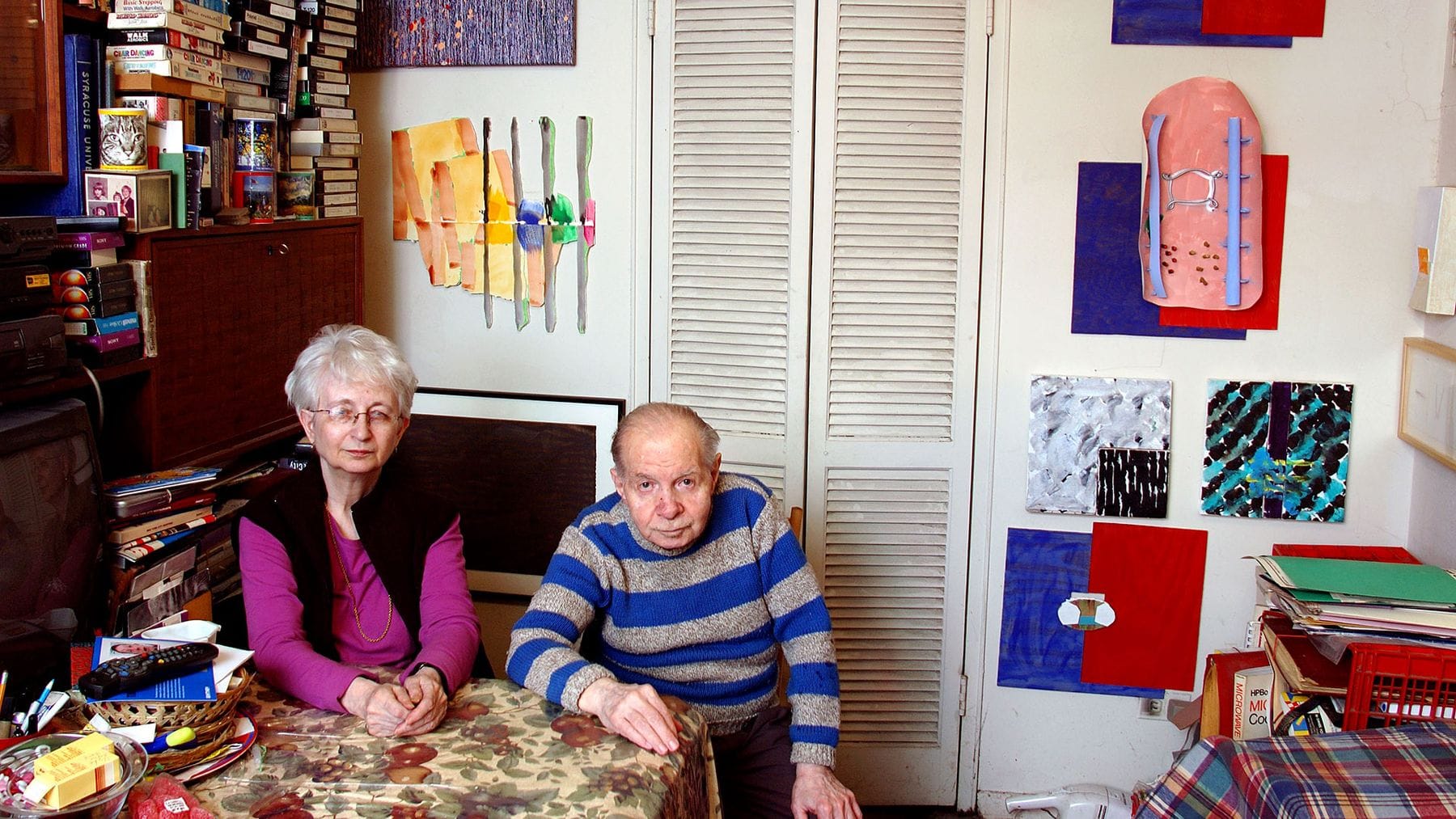
Here's a link to the documentary about Herb and Dorothy made by Megumi Sasaki. The film shows how working-class folks amassed a really impressive art collection over their lifetimes with a little passion and a postal worker's salary.
2 months ago
Comments

Follow D
By submitting, you agree to our Terms and Privacy Policy